Skip to content

05.04.2026
15 Most Searched Automotive Problems
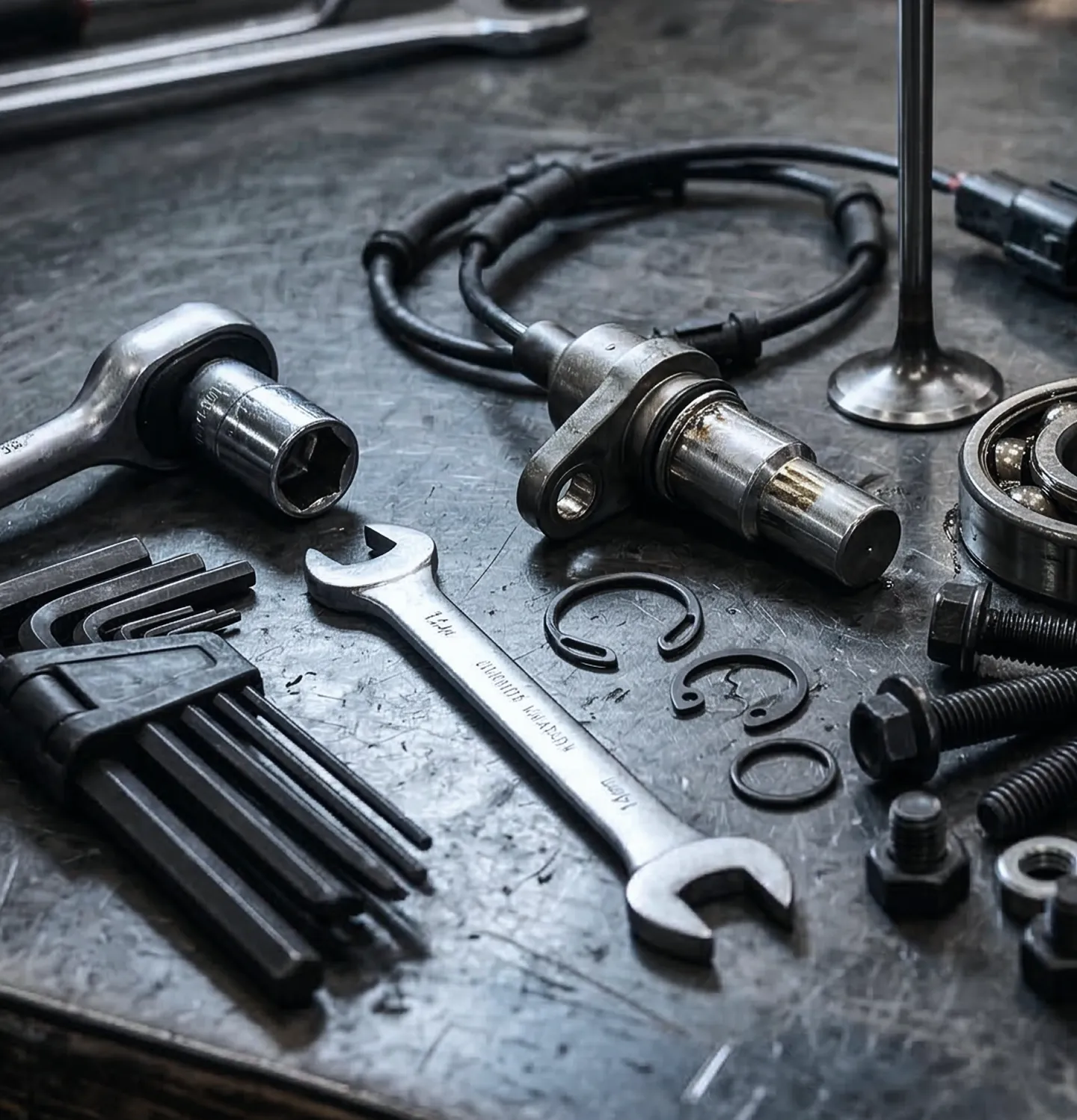
The 15 most common vehicle faults and the signs that allow you to detect them in time to avoid bigger problems.
- The car won't start.
One of the most common problems. It could be due to a dead battery, starter motor issues, or electrical system failures. Identifying the source of the problem is key to avoiding being stranded.
- Suspension noises
Rumbling or noise when going over bumps often indicates wear in shock absorbers, bushings, or ball joints. Regularly checking your suspension helps maintain stability and safety while driving.
- Vibration when braking
When the steering wheel or brake pedal vibrates when braking, it's usually due to wear or warping of the brake discs. It can also be related to worn brake pads.
- Difficulty changing gears
If the gear changes feel hard or it's difficult to engage the gears, there may be wear on the clutch or problems with the transmission.
- The car loses power
Loss of power may be related to problems in the fuel system, clogged filters, or engine sensor failures.
- Excessive fuel consumption
When a vehicle starts consuming more fuel than usual, it could be due to dirty filters, faulty sensors, or injection problems.
- The engine overheats
Overheating is usually related to failures in the cooling system, such as the radiator, thermostat, or water pump.
- Warning lights on the dashboard
Dashboard warning lights indicate potential problems in various vehicle systems. Ignoring them can lead to more serious malfunctions over time.
- Vibration when driving
If the vehicle vibrates while driving, there may be problems with the tires, suspension, or alignment.
- Noises when turning the steering wheel
A noise when turning may indicate wear in steering components or a lack of lubrication in the system.
- Smoke from the exhaust
The color of exhaust smoke can indicate different problems: oil consumption, excess fuel, or engine failure.
- Battery problems
When a vehicle has difficulty starting or electrical systems fail, the battery or alternator may be the cause.
- Uneven tire wear
Uneven wear is often related to alignment problems, suspension issues, or incorrect pressure.
- Engine noises
Unusual knocks or noises in the engine may indicate internal wear or problems with key components.
- Fluid leaks
Stains under the vehicle can indicate leaks of oil, coolant, or transmission fluid. Detecting them early prevents further damage.