




Suspension System Failures
The suspension is essential for maintaining stability and comfort while driving. With use and over time, components such as shock absorbers, bushings, and springs can wear out. This often leads to noise when going over bumps, excessive bouncing, or a feeling of instability in the vehicle. Detecting these signs early helps prevent more serious damage and maintain safe driving.
Wear and tear on the brake system
The braking system is one of the most important elements for vehicle safety. With use, brake pads and discs wear down and can cause noise, vibrations when braking, or a longer braking distance. Performing regular checks and replacing components when necessary is key to maintaining efficient braking.
Transmission problems
The transmission allows the engine's power to reach the wheels. When any of its components begins to fail, you may experience harsh gear changes, loss of power, or unusual noises while driving. Detecting these symptoms early helps prevent more complex and costly breakdowns.
Clutch system failures
The clutch connects the engine to the transmission, allowing gear changes. With use, it can wear down, leading to difficulty shifting gears, vibrations when starting, or a clutch pedal that is too hard or too soft. Proper maintenance helps extend its lifespan and maintain smooth driving.
Electrical system failures
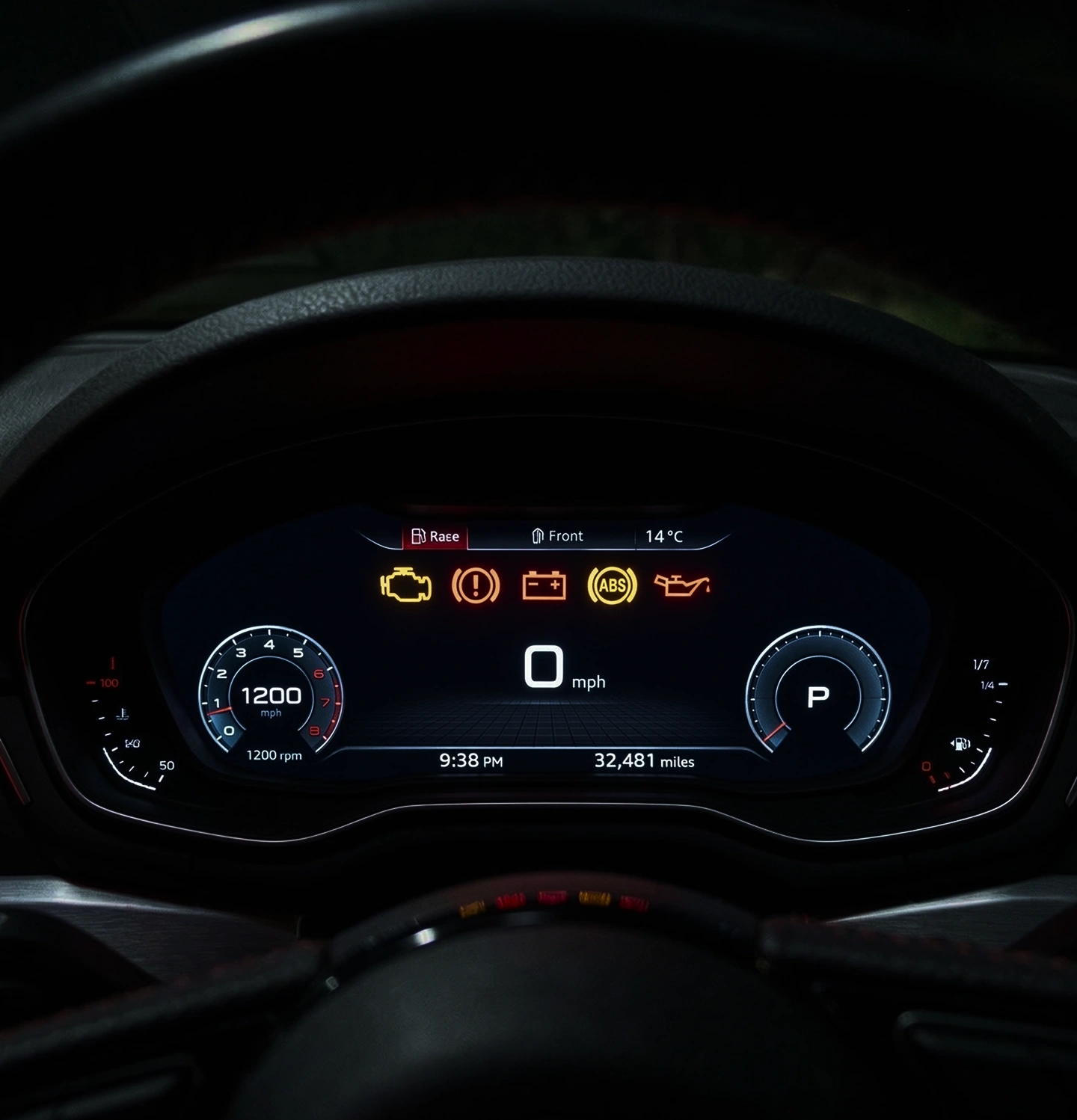
The electrical system controls multiple vehicle functions, from starting the engine to lighting and sensors. An electrical fault can cause problems starting the vehicle, malfunctioning lights, or dashboard warnings. Checking the battery, connections, and electronic components is essential to prevent problems.